

- Event Date: 29/11/2026
The Shape of What We Carry: Metaphors in Writing for Wellbeing_7th Edition[
Event Details
- 15:30
- Online via GoogleMeet
- From £0
Event Description
Event Description:
Metaphors are not merely figures of speech. They also shape our conceptual frameworks and significantly influence how we experience our lives and circumstances.
This 90-minute reflective writing workshop happens once a month, where participants explore how metaphor-guided expressive writing can help us look inward and process emotional experiences.
The participants will engage in metaphor-based writing exercises followed by guided reflection. Grounded in principles of cognitive metaphor theory, the session will include a balance of theoretical knowledge and writing exercises, so that participants leave with practical reflective tools for introspection, emotional processing, and personal growth.
The sessions are not recorded to ensure psychological safety and enable the participants to share their reflections in a gentle and empathetic co-created space.
No prior writing experience required.
About Facilitator:
Dr. Ananya Mahapatra is a psychiatrist with over 14 years of experience in clinical and research work, currently engaged in person-centered clinical practice in New Delhi, India. She is a Fellow of the Global Arts in Medicine Fellowship (Cohort 11) and the Research & Documentation Committee Head for the Delhi Arts & Health Festival.
A published writer and trained in Bibliotherapy, she works at the intersection of mental health, mindful reading, and reflective writing — exploring how stories, metaphors, and expressive writing can help individuals process grief, identity shifts, and transitions that often remain unspoken.
Her personal experiences with postpartum anxiety and working with clients during the COVID-19 pandemic inspired her to create The Life Sublime (www.thelifesublime.org). Through The Life Sublime, she hopes to reclaim storytelling as a quiet act of healing and utilize the therapeutic potential of words to restore a sense of self, voice, and connection in a fragmented world.
A lifelong reader, she believes in the transformative power of stories to heal, connect, and inspire. Her short fiction has been shortlisted and published in prestigious anthologies by Readomania Publishers (Twilight’s Children), The Best Asian Short Stories 2018 (Kitaab Publishers, Singapore), Bristol Short Story Prize 2022, Deodar Literary Prize, & The Hemlock Journal.
Please Note:
Other events you may like
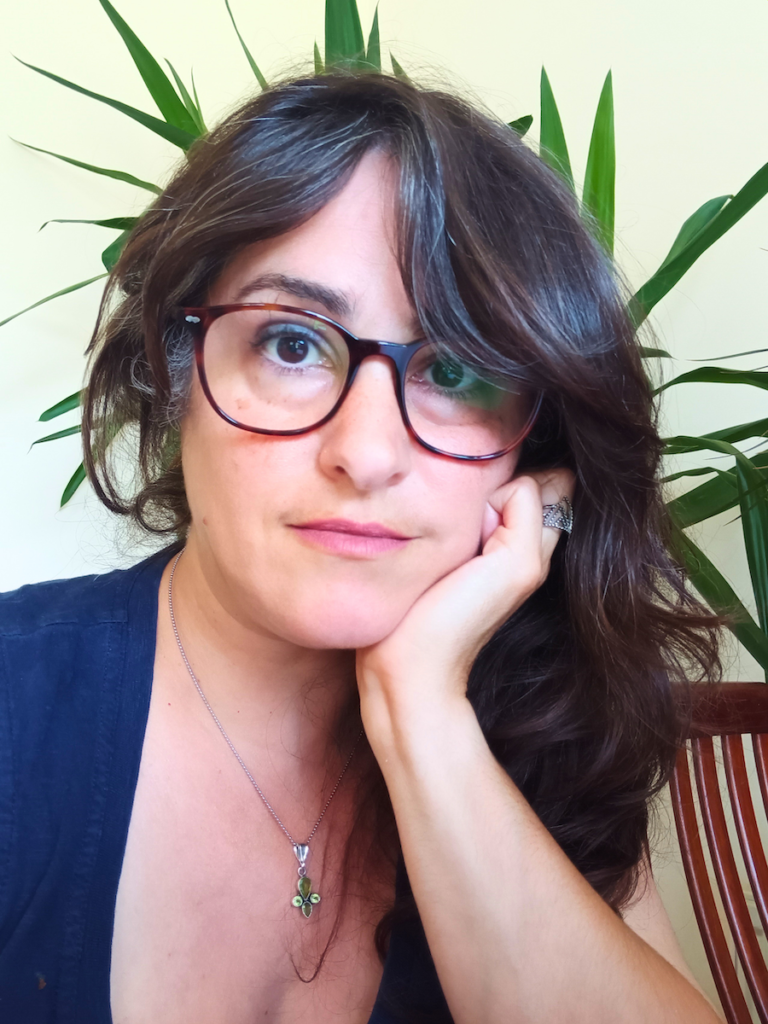
Writing from the Wound: Poetry Therapy and Intergenerational Trauma
A brief outline:
- Brief introductory question: how can poetry therapy hold historical and intergenerational trauma without re-traumatising, and what does this look like across different cultural contexts of historical memory
- Theoretical grounding
- Writing from the Wound project (workshops in Spain), what it is and what’s emerged so far
- What we do: the practical, poem-based approach and examples.
- Short writing time from a relevant prompt related to the research project.
About María Ortega García
María Ortega García is a Poetry Therapy Practitioner (iaPoetry/IPTN) and trauma-informed educator working between Ireland and Spain, under her practice Poetics of Care. She is Secretary of the Irish Poetry Therapy Network (IPTN) and Programs & Practice Coordinator at iaPoetry, and directs master’s theses on UNIR’s Máster en ELE. She holds a DEA in Spanish Philology from the Universidad de Burgos and a Level 5 Diploma in trauma- and mental health-informed communities (TISUK). Her current research, Writing from the Wound (Escribir desde la herida), explores poetry therapy as a tool for working with intergenerational trauma and historical memory in the Spanish context.
Join the meeting:
Meeting link: https://us02web.zoom.us/j/87438076501?pwd=gMOZWjbDLygRhA4BduCvTUwgVvKqTR.1
Meeting ID: 874 3807 6501
Passcode: 731174
Please note that this event will be recorded. The recording will be available for a limited time after the live event. Please allow a couple of working days for us to process and upload the recording after the live event.
For questions before or after the day of the event, please contact Flo on membership@lapidus.org.uk (responses on Tuesdays and Fridays). For queries on the day of the event, please contact mel@write4word.org.
About the Lapidus Living Research Community
The Lapidus Living Research Community (LLRC) meets on the first Saturday of every month via Zoom to discuss all things research, with a focus on qualitative arts-based research practices, theory and methods.
All Lapidus members are welcome, regardless of research experience. LLRC events are free and no tickets are required. Use the Zoom link above to access the event.
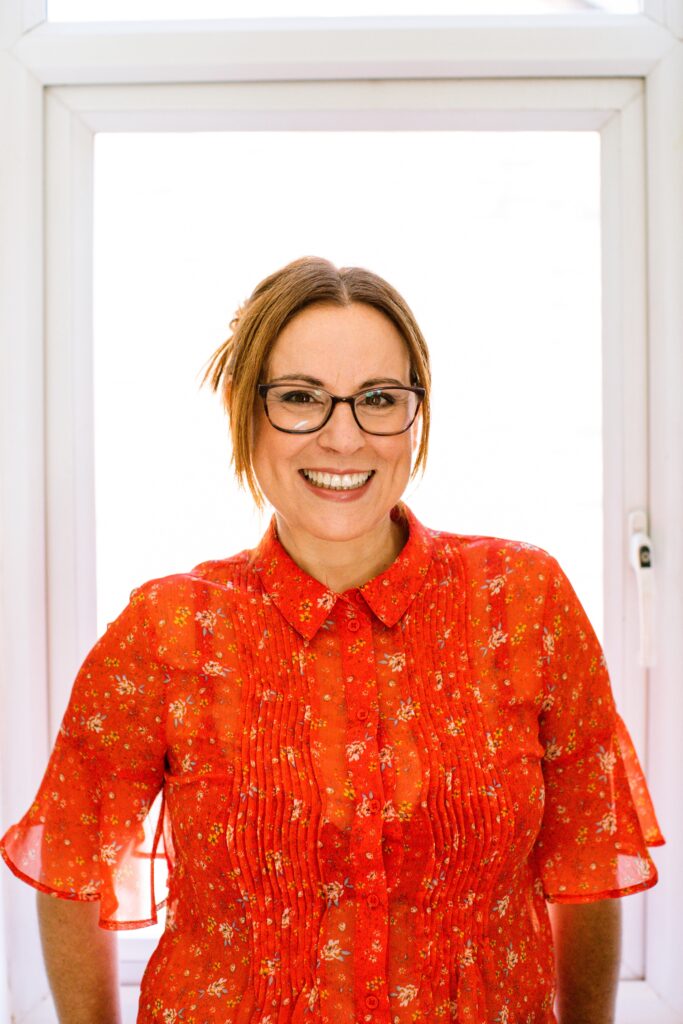
You’re invited to join us for our Annual General Meeting (AGM), which will include a creative session led by Dr Mariana Casale.
The AGM is a fantastic opportunity to come together as a community, look back on our progress over the last year, and look ahead to what might come next.
All members are welcome. You’ll have the chance to hear from the Board of Directors, get the inside scoop on our annual report, and read and write in community during Mariana’s creative session.
About the creative session
The evening begins with a few minutes of grounding around a poem, as we settle into the collective experience: the invitation will be to reflect on what belonging means for us, thinking of what wisdoms and we each bring as we play an active role in the community.
After the AGM agenda has been completed, we will pick up these reflective threads as Mariana holds space for shared reading. This will allow our thoughts to flow and gently decant, as we make new meaning together working around a piece of flash fiction. Our focus will be on hearing each other’s voices, but journaling, scribbling, doodling, gentle movement and any other form of creative making that work for you are welcome throughout.
About Dr Mariana Casale
Mariana holds an MA in Literature, Culture and Modernity (London) and a PhD in Latin American Cultural Studies (Manchester). She has trained in Narrative Therapy at the Institute of Narrative Therapy (UK). She is the founder and director of the School of Narrative Bibliotherapy, which offers training to professionals wishing to incorporate narrative ideas to their bibliotherapeutic practice or bibliotherapeutic practices to their helping work. She works independently as a bibliotherapist in private practice, offering individual and group sessions as well as mentoring and supervision. She has also taught Spanish and Latin American Studies at the University of Manchester. Her latest publication is ‘Bibliotherapy as Narrative Practice; Reader Empowerment Through Re-Authoring Conversations’, European Journal for Biblio/Poetry Therapy (2025) Vol. 1. No. 1. 14-21. She is currently writing about the personal as political in narrative bibliotherapy. Website: marianacasale.com
Join the meeting
Zoom details and the annual report will be shared here soon — please check back a little nearer the time.

Does your brain feel like a browser with too many tabs open? Half-finished projects, things promised to other people, and a festive season that hasn’t even started yet.
This online workshop is for midlife women whose brains work differently, whether that’s ADHD, autism, or both, diagnosed or not. It offers a calm, structured space to step back from the noise and find some clarity before December arrives.
Drawing on reflective and therapeutic writing practice and ideas from positive psychology, the session uses short, contained writing steps rather than long free-writes, so it’s accessible for brains that find open-ended prompts difficult. Participants will:
Open all the tabs: a guided brain dump to get everything out of their head and onto the page
Close the stuck one: gentle prompts to explore the one thing weighing on them most
Choose what stays open: a simple one-page plan for December
No previous journalling experience is needed, just a pen and paper. Cameras are optional. Every ticket includes a replay.