
Welcome to Lapidus International
The Words and Writing For Wellbeing Community
Lapidus International is a membership organisation open to everyone with an interest in words for wellbeing.
We support and champion words and writing for wellbeing through development opportunities, exclusive member events, access to the latest research, and more.
We offer a supportive network to enhance both personal and professional wellbeing practice.
What Is Words and Writing For Wellbeing?
Words and writing for wellbeing is the use of words to explore thoughts, express emotions, and support personal growth. It’s not about perfect grammar or literary skill, it’s about connecting with yourself through journalling, poetry, storytelling, or reflective writing. Whether used in a group setting or privately, writing can be a powerful tool to process experiences, build resilience, and find clarity.
At Lapidus, we celebrate writing in all its forms as a gentle, creative way to nurture emotional, mental, and social wellbeing. Find out more in our handy guide to writing for wellbeing.
Upcoming Events
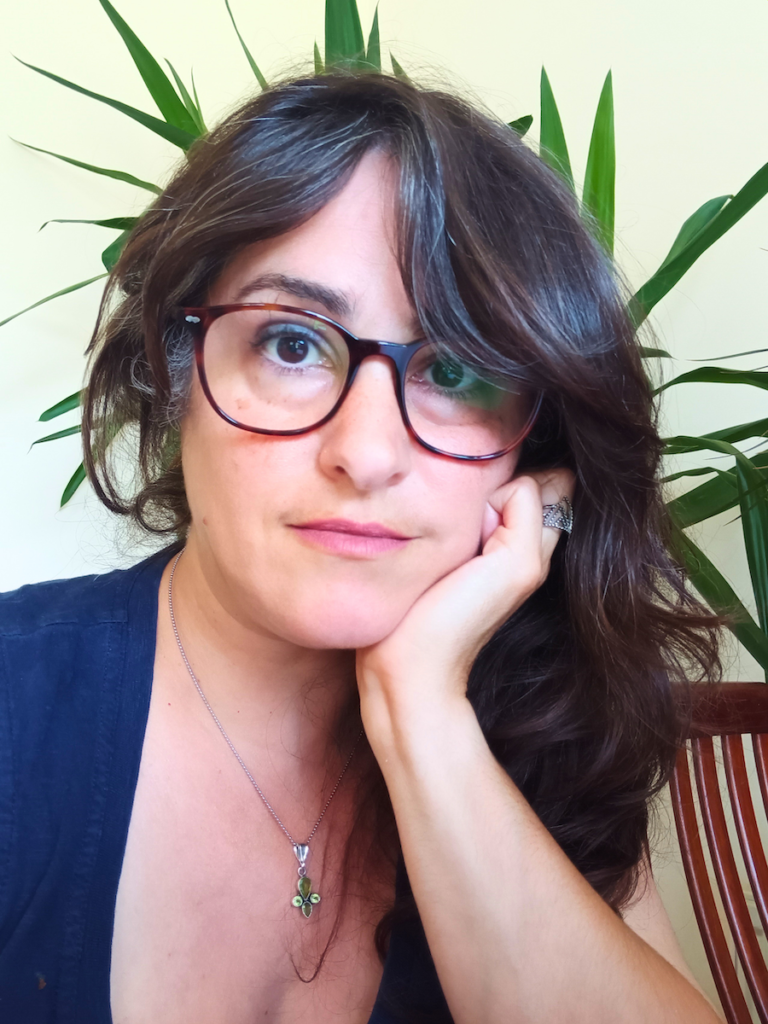
Writing from the Wound: Poetry Therapy and Intergenerational Trauma
A brief outline:
- Brief introductory question: how can poetry therapy hold historical and intergenerational trauma without re-traumatising, and what does this look like across different cultural contexts of historical memory
- Theoretical grounding
- Writing from the Wound project (workshops in Spain), what it is and what’s emerged so far
- What we do: the practical, poem-based approach and examples.
- Short writing time from a relevant prompt related to the research project.
About María Ortega García
María Ortega García is a Poetry Therapy Practitioner (iaPoetry/IPTN) and trauma-informed educator working between Ireland and Spain, under her practice Poetics of Care. She is Secretary of the Irish Poetry Therapy Network (IPTN) and Programs & Practice Coordinator at iaPoetry, and directs master’s theses on UNIR’s Máster en ELE. She holds a DEA in Spanish Philology from the Universidad de Burgos and a Level 5 Diploma in trauma- and mental health-informed communities (TISUK). Her current research, Writing from the Wound (Escribir desde la herida), explores poetry therapy as a tool for working with intergenerational trauma and historical memory in the Spanish context.
Join the meeting:
Meeting link: https://us02web.zoom.us/j/87438076501?pwd=gMOZWjbDLygRhA4BduCvTUwgVvKqTR.1
Meeting ID: 874 3807 6501
Passcode: 731174
Please note that this event will be recorded. The recording will be available for a limited time after the live event. Please allow a couple of working days for us to process and upload the recording after the live event.
For questions before or after the day of the event, please contact Flo on membership@lapidus.org.uk (responses on Tuesdays and Fridays). For queries on the day of the event, please contact mel@write4word.org.
About the Lapidus Living Research Community
The Lapidus Living Research Community (LLRC) meets on the first Saturday of every month via Zoom to discuss all things research, with a focus on qualitative arts-based research practices, theory and methods.
All Lapidus members are welcome, regardless of research experience. LLRC events are free and no tickets are required. Use the Zoom link above to access the event.

You’re invited to join us for our Annual General Meeting (AGM), which will include a creative session led by Dr Mariana Casale.
The AGM is a fantastic opportunity to come together as a community, look back on our progress over the last year, and look ahead to what might come next.
All members are welcome. You’ll have the chance to hear from the Board of Directors, get the inside scoop on our annual report, and read and write in community during Mariana’s creative session.
About the creative session
The evening begins with a few minutes of grounding around a poem, as we settle into the collective experience: the invitation will be to reflect on what belonging means for us, thinking of what wisdoms and we each bring as we play an active role in the community.
After the AGM agenda has been completed, we will pick up these reflective threads as Mariana holds space for shared reading. This will allow our thoughts to flow and gently decant, as we make new meaning together working around a piece of flash fiction. Our focus will be on hearing each other’s voices, but journaling, scribbling, doodling, gentle movement and any other form of creative making that work for you are welcome throughout.
About Dr Mariana Casale
Mariana holds an MA in Literature, Culture and Modernity (London) and a PhD in Latin American Cultural Studies (Manchester). She has trained in Narrative Therapy at the Institute of Narrative Therapy (UK). She is the founder and director of the School of Narrative Bibliotherapy, which offers training to professionals wishing to incorporate narrative ideas to their bibliotherapeutic practice or bibliotherapeutic practices to their helping work. She works independently as a bibliotherapist in private practice, offering individual and group sessions as well as mentoring and supervision. She has also taught Spanish and Latin American Studies at the University of Manchester. Her latest publication is ‘Bibliotherapy as Narrative Practice; Reader Empowerment Through Re-Authoring Conversations’, European Journal for Biblio/Poetry Therapy (2025) Vol. 1. No. 1. 14-21. She is currently writing about the personal as political in narrative bibliotherapy. Website: marianacasale.com
Join the meeting
Zoom details and the annual report will be shared here soon — please check back a little nearer the time.

Does your brain feel like a browser with too many tabs open? Half-finished projects, things promised to other people, and a festive season that hasn’t even started yet.
This online workshop is for midlife women whose brains work differently, whether that’s ADHD, autism, or both, diagnosed or not. It offers a calm, structured space to step back from the noise and find some clarity before December arrives.
Drawing on reflective and therapeutic writing practice and ideas from positive psychology, the session uses short, contained writing steps rather than long free-writes, so it’s accessible for brains that find open-ended prompts difficult. Participants will:
Open all the tabs: a guided brain dump to get everything out of their head and onto the page
Close the stuck one: gentle prompts to explore the one thing weighing on them most
Choose what stays open: a simple one-page plan for December
No previous journalling experience is needed, just a pen and paper. Cameras are optional. Every ticket includes a replay.
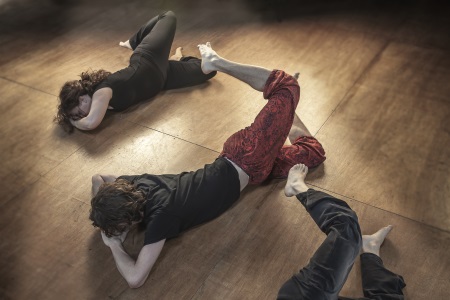
This workshop will combine mindful movement sequences based on the Feldenkrais Method of somatic learning with expressive and reflective writing. We will use gentle exploratory movement with writing prompts and poetry to encourage connection with our selves and to stimulate creativity and self-reflection.
Sessions are suitable for anyone looking for a safe supportive space for relaxation, play and inspiration on a Sunday afternoon. No previous experience of Feldenkrais or writing required.
Do email to go on the mailing list for forthcoming workshops.
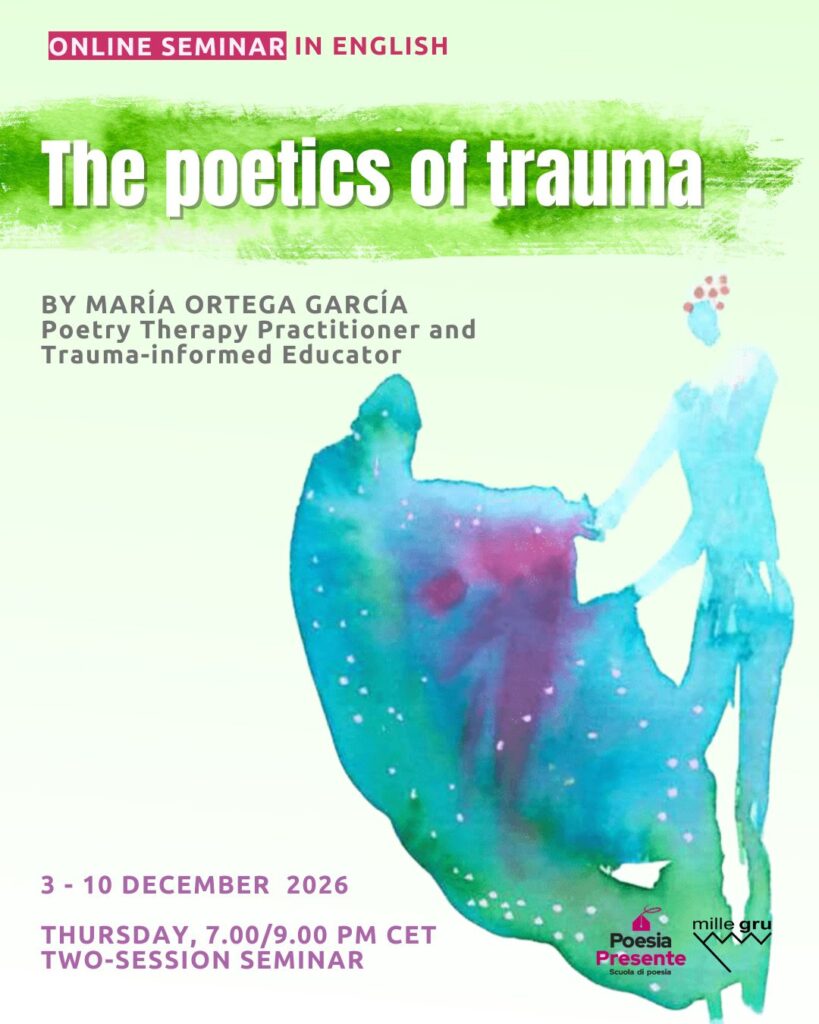
The Poetics of Trauma is a 2-session online course led by María Ortega García (Poetic Therapy Practitioner and Trauma-Informed Educator).
This course is part of the Autumn Online Program for theoretical and practical education and dissemination in the field of Poetry Therapy, coordinated by Viviana Russo and Giulia Tosolini (PTP) for PoesiaPresente (Monza, Italy).
Session 1 – Thursday, December 3rd, 2026, from 7:00 PM to 9:00 PM (CET)
This session lays the theoretical groundwork. Drawing on Barthes’ distinction between reproducing the world and signifying it, we explore how trauma fragments consciousness and tears the coherent narrative of the self. Poetry, through image and unexpected association, articulates that disarticulation. Cocteau’s sense of poetry as indispensable yet ungraspable reflects its capacity to touch what reason cannot name; poetry operates where rational thought breaks down, and words fail to hold the magnitude of experience. We’ll also introduce the 4Rs of trauma-informed practice and how poetry engages each one.
Session 2 – Thursday, December 10th, 2026, from 7:00 PM to 9:00 PM (CET)
This session turns to practice: using the image of thread, weaving, and darning, participants engage in guided writing exercises exploring how language can mend the tear in one’s sense of integrity, self, and safety by making the repair visible and meaningful.
The course includes a workshop session that require active participation from attendees. For this reason, an “asynchronous” format is not available. Recordings will be available only to participants (to make up for any missed sessions or absences) for a period of 15 days. The course will be held in English.
The course is recommended for poets, teachers, librarians, psychologists, psychotherapists, educators, counselors, university students, and, more generally, professionals working in social, health, educational, and cultural fields. It is also for anyone who wants to explore the potential of poetry as a “tool” for personal growth and awareness.
María Ortega García is a Poetry Therapy Practitioner (iaPoetry, 2023) and a trauma-informed educator (TISUK Level 5 Diploma, 2024), working bilingually between Ireland and Spain. She works at the intersection of writing, emotional well-being, and trauma, integrating poetry therapy, somatic education, and trauma theory into her practice. Website: https://mariaortegagarcia.com
Fee & Certification
Participation in the 2-session course costs €50, payable via PayPal or bank transfer. Upon completion, all participants will receive an official Certificate of Attendance.
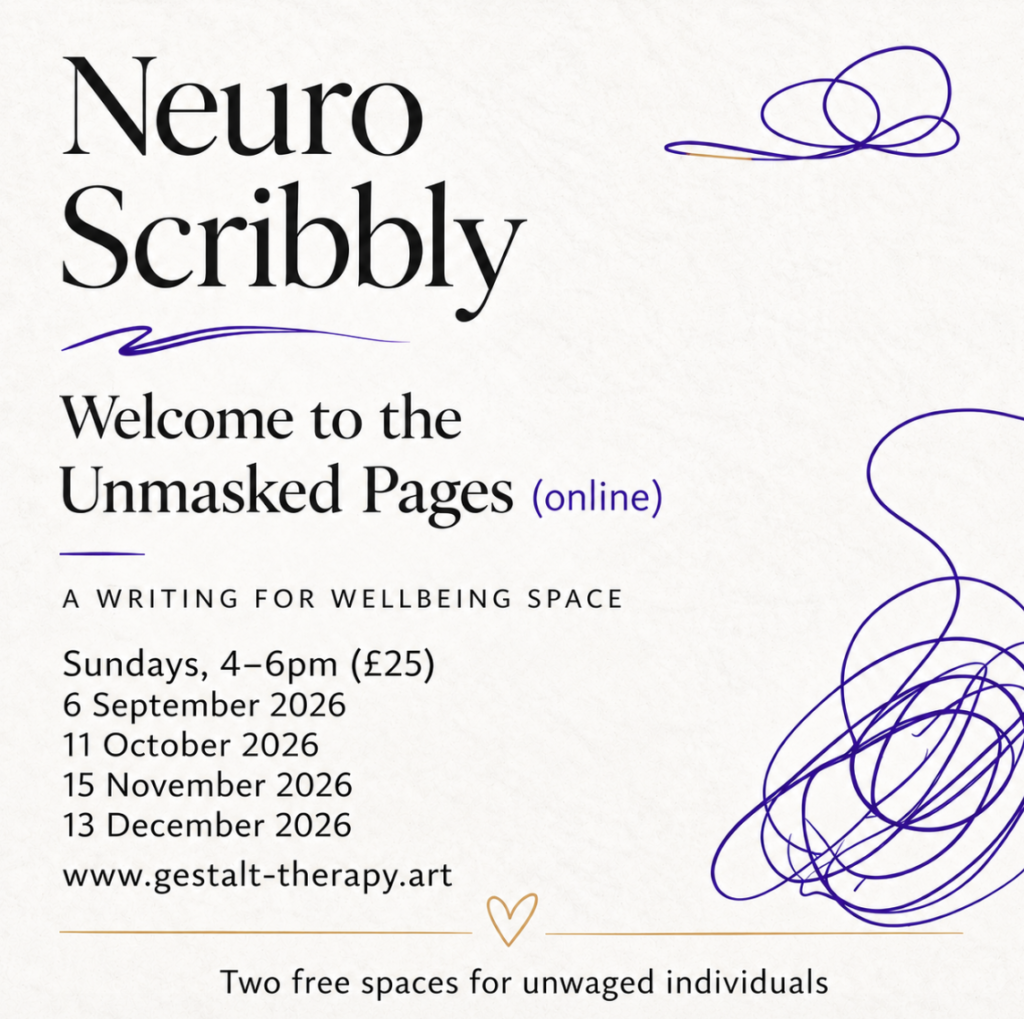
A monthly writing for wellbeing space for the neurodivergent community, and open to all.
Spend two hours engaging in gentle writing prompts and journalling activities. I’ll also share a poem, piece of writing or image/photography in each session for us to explore.
The format:
The first hour includes a short introduction, a warm-up writing prompt, and a shared poem. We’ll explore our emotional responses to it rather than literary analysis.
After a short 5-minute break, the final 55 minutes will offer a range of journalling prompts, with space to write, reflect, and (if you wish) share and explore what’s arisen.
I’m hoping this will become a monthly group. This first session is a chance to begin and see what unfolds.
Two free spaces are available for unwaged individuals. Please email for details.
Come as you are…
• Keep your camera off if that feels more comfortable
• No expectation to share anything you write
• You’re free to step away or leave early if needed (prompts can be sent after)
• Take breaks whenever your body or attention needs them
• Come as you are – fidgeting, moving, doodling, lying down all welcome
• Gentle, flexible pacing (nothing timed too tightly)
• You can engage in your own way – writing, thinking, or simply being there
Head to Eventbrite via monthly links below to book, or email (no booking fee).
Join Lapidus International...
…from as little as £6.30 per month.
As a Lapidus Member, you are part of a supportive, international community who believe in the power of using words to enhance and transform.
You’ll receive a monthly newsletter, get discounts on events and training, have access to our online library of Lapidus journals and more. All for as little as £6.30 per month!
Lapidus News



Our vision
In these times of global upheaval, where words can be debased, Lapidus International will not compromise.
We know that writing endures as a way to express suffering and joy, healing and belonging in the intersection of personal circumstances and social conditions.
Through practice, research, publishing, and partnerships, we recognise words and writing as an accessible force for wellbeing, activism and therapy.
Our membership reflects the voices of all communities, including those who have been discounted, prohibited, displaced and under-served.